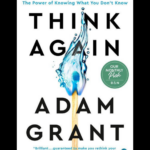
7 Key Lessons from Think Again by Adam Grant
What does it mean to embrace a scientist mindset?
In Think Again by Adam Grant, the scientist mindset is proposed as a transformative way of thinking. Instead of clinging to inflexible convictions, scientists treat their beliefs as hypotheses. They welcome evidence that might prove them wrong and adjust their views accordingly. This mindset encourages constant learning and adaptation, especially in a world where new knowledge emerges rapidly.
To adopt this mindset, one must actively seek disconfirming evidence. This means encouraging constructive criticism and being open to alternative perspectives. By viewing beliefs as fluid rather than fixed, you can pave the way for growth and open-mindedness.
Action Step: Challenge yourself to ask, “What evidence would change my mind?” whenever you face disagreements or conflicting information.
How can you practice confident humility?
Confident humility is a core concept in Think Again that blends self-assurance with an openness to learning. It requires being secure in your abilities while acknowledging that there is always room for growth. This balance helps prevent overconfidence, which can hinder progress and collaboration.
When you practice confident humility, you become more receptive to feedback and new ideas. This quality not only enhances personal development but also fosters a culture of learning amongst peers.
Action Step: Make it a daily habit to remind yourself: “I’m confident in my capacity to learn, but I may not have all the answers yet.”
Why should you separate your identity from your ideas?
In Think Again, Adam Grant emphasizes the importance of decoupling your self-worth from your beliefs. When we tie our identities too closely to our opinions, any challenge to those beliefs feels like a personal attack. This can lead to defensiveness and conflict, preventing us from considering alternative viewpoints.
By treating your ideas as tools rather than treasures, you can approach discussions and debates with a more open mind. This flexibility allows for clearer communication and healthier relationships.
Action Step: Begin using language that reflects this separation. Instead of saying, “I believe this is true,” try, “I think this idea has merit, but I’m open to other perspectives.”
What are the benefits of practicing argument literacy?
Grant introduces argument literacy as a skill that helps us engage in debates while maintaining respect and understanding for opposing views. This skill allows us to discuss contentious issues without resorting to personal attacks, fostering a more collaborative atmosphere.
Practicing argument literacy leads not only to better communication but also to a greater likelihood of changing minds, as people feel heard and understood. Through listening and questioning, you can guide others toward rethinking their positions in a constructive way.
Action Step: The next time you engage in a debate, focus on asking open-ended questions instead of immediately stating your position. For example, ask, “What makes you feel that way?”
How can you embrace the joy of being wrong?
One of the key liberation messages in Think Again is that being wrong is not a failure but an opportunity for growth. Celebrating errors as learning experiences can shift your perspective and reduce fear when facing new challenges. Nobel laureate Daniel Kahneman, quoted in the book, exemplifies this mindset by expressing joy when discovering he was wrong because it leads to new insights.
Recognizing that being wrong helps you evolve encourages a more fearless approach to learning and can inspire others to adopt similar attitudes.
Action Step: Reflect on a time when you were wrong, and consider what valuable lessons resulted from that experience. Share that story with someone to promote a constructive perspective on failure.
What does it mean to encourage collective rethinking?
In the last section of his book, Grant emphasizes the importance of creating cultures that value questioning and openness in organizations and communities. By fostering environments that welcome rethinking, schools, businesses, and governments can stimulate innovation and growth.
Institutions that encourage collective rethinking nurture collaboration and creative problem-solving, allowing for better decision-making. This can lead to thriving environments where individuals feel empowered to share and test their ideas.
Action Step: If you are in a leadership position, advocate for regular brainstorming sessions or feedback loops in your team where all ideas can be discussed openly and without judgment.
Who should read this?
This blog post is designed for anyone interested in personal growth, leadership, and creating more collaborative environments. If you’re an entrepreneur, educator, or community leader looking for ways to foster a culture of learning and open dialogue, Think Again by Adam Grant offers valuable insights. Whether you’re navigating the fast-paced world of career development or simply wanting to improve your relationships, this book provides essential wisdom for everyone committed to lifelong learning.
Get this book
Think Again by Adam Grant
14000 CFA Original price was: 14000 CFA.12500 CFACurrent price is: 12500 CFA. VAT Exclusive