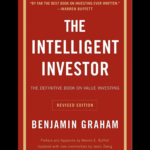
7 Key Lessons from Guide to Investing by Benjamin Graham
What is Value Investing and Why Should You Care?
Value investing is a method where an investor selects stocks that appear to be trading for less than their intrinsic or book value. Benjamin Graham, in his book Guide to Investing, emphasizes the importance of investing in companies that have a solid foundation but are currently undervalued by the market. Understanding value investing can help you make informed decisions and avoid the pitfalls of speculation.
By focusing on the underlying strength of the company rather than market trends, you position yourself to invest wisely and with confidence. The choices you make today can yield substantial returns over time.
- Action Step: Research companies in your market and identify those with solid fundamentals trading below their intrinsic value.
How Do You Determine Intrinsic Value?
Determining the intrinsic value of a stock is a crucial skill for any investor. In Guide to Investing, Graham provides clear techniques for calculating the true worth of a company through financial analysis. This process involves examining earnings, dividends, and other financial indicators to arrive at a company’s true value.
By mastering these techniques, you can avoid overpaying for investments and gain the confidence to pursue undervalued opportunities. It also helps you stay grounded and make rational decisions versus being swayed by market emotions.
- Action Step: Start using financial ratios like Price-to-Earnings (P/E) and Price-to-Book (P/B) when evaluating potential investments.
What is a Margin of Safety?
The concept of a margin of safety is one of the cornerstones of Graham’s philosophy. It refers to the difference between a stock’s intrinsic value and its market price. Graham insists that buying at a discount provides a cushion against errors in judgment or unforeseen market fluctuations.
Understanding and applying this concept can significantly reduce your investment risk. The goal is not merely to avoid losses but to create long-term sustainable growth in your portfolio.
- Action Step: Before making any investment, calculate the margin of safety. Aim for a minimum of 20-30% discount on intrinsic value.
Why Should You Have a Long-Term Perspective?
Graham advocates for a long-term perspective in investing, stating that patience is key to success in the stock market. In his view, short-term fluctuations often lead investors to panic and act irrationally, which can result in losses.
The Guide to Investing teaches you to keep your focus on long-term goals and withstand the tides of market emotions. By training yourself to look beyond daily news cycles and trends, you can make far better investment decisions.
- Action Step: Set clear, long-term financial goals, and avoid making impulsive decisions based on short-term market movements.
How to Apply Graham’s Strategies Today?
While Graham wrote Guide to Investing decades ago, his principles are still relevant today. The book encourages readers to apply these timeless strategies in the context of modern financial markets. Whether it involves adapting valuation techniques or recognizing investment opportunities, old wisdom can be blended with modern technology.
Using platforms that allow for complex analysis, such as stock screeners, can amplify your research efforts. Combining traditional analysis with modern data can give you an edge in today’s competitive landscape.
- Action Step: Explore stock analysis tools and online platforms to streamline your research and enhance your investment strategies.
What Historical Lessons Can We Learn from Benjamin Graham?
Graham’s insights have stood the test of time and have shaped the thinking of legendary investors like Warren Buffett. His historical context illustrates how market psychology can influence investment strategies and behaviors.
By examining key market events and Graham’s responses, you can better understand how to navigate current market cycles. Learning from history not only informs your strategy but also helps you avoid repeating past mistakes.
- Action Step: Read case studies or historical accounts of market crashes and analyze how value investing principles apply to those situations.
Who Should Read This?
This post is valuable for anyone interested in investing, whether you’re a beginner or a seasoned investor looking to refine your strategy. If you are seeking a deeper understanding of the principles of value investing, Guide to Investing by Benjamin Graham is essential reading.
Get this book
Guide to Investing by Benjamin Graham – Master Investment Strategies
13000 CFA Original price was: 13000 CFA.8000 CFACurrent price is: 8000 CFA. VAT Exclusive